What Is CEO Fraud
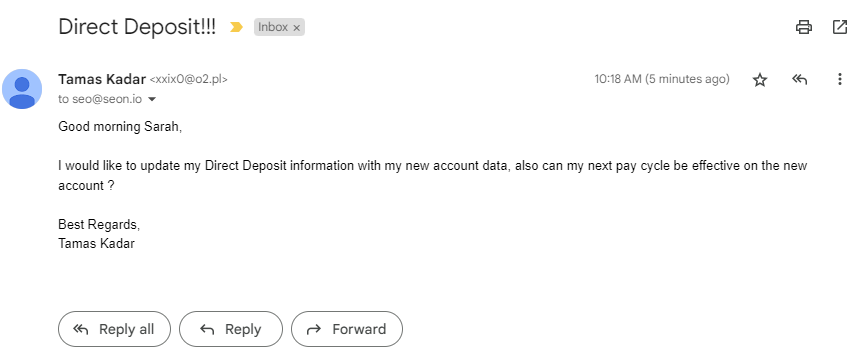
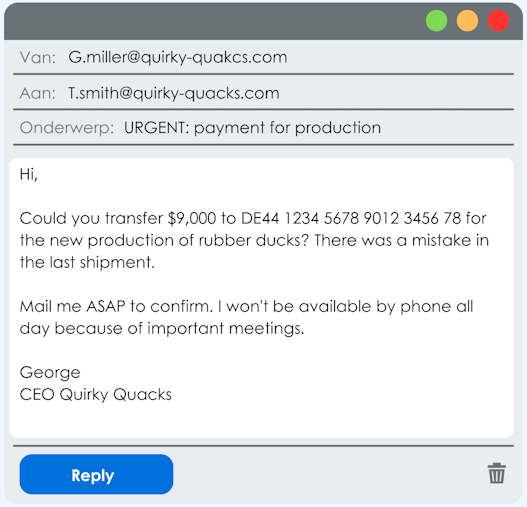
CEO fraud is when a criminal impersonates a senior figure, often the CEO or director, to trick employees into making urgent payments or sharing sensitive information. These messages are usually sent via email and can look very convincing, sometimes including only a small spelling mistake in the email address. They rely heavily on urgency. The goal is to pressure the recipient into acting quickly, without taking the time to question or verify the request.
Most people wouldn’t hesitate to respond to an email from their boss. It’s someone they trust and communicate with regularly. When the name and address appear legitimate, it’s easy to see why these attacks are effective and why cybercriminals continue to use them. In many cases, fraudsters target junior members of staff or those new to a business, as they may feel less confident questioning a senior request. This is why awareness needs to be consistent across all levels of an organisation.
Signs to Look Out For
There are several common red flags associated with CEO fraud. Being able to recognise them early can make all the difference:
- Urgent or unusual payment requests
Requests that require immediate action, especially ones that feel out of character, should always be treated with caution. - Requests to bypass standard procedures
Any instruction to ignore normal approval steps or processes is a major warning sign. - Unfamiliar payment methods
Requests for gift cards, bank transfers to new accounts, or changes to payment details should always be verified. - Email inconsistencies
Look closely at the sender’s address even a single misspelt letter can indicate fraud.
How to Prevent CEO Fraud
Preventing CEO fraud doesn’t rely on a single tool it’s about building a strong, layered approach to security. One of the most effective steps is staff awareness training. When employees understand how these attacks work, they’re far more likely to question suspicious requests.
Training should cover:
- What CEO fraud is
- How to identify warning signs
- Common tactics used by attackers
- What to do if something doesn’t feel right
Alongside this, organisations should implement:
- Clear payment approval processes
Staff should feel confident challenging unusual requests, especially for high-value transactions. - Multi-Factor Authentication (MFA)
Adds an extra layer of protection to accounts, even if login details are compromised. - Email security and monitoring
Helps reduce the chances of fraudulent messages reaching inboxes. - Regular security reviews
Ensures processes remain effective as threats evolve.
CEO fraud is successful because it targets people, not just systems. It exploits trust, authority and urgency. Taking a moment to pause, verify and question unusual requests can prevent serious financial and reputational damage.
If you’d like to learn more about how CEO fraud works and how to protect your organisation, you can explore these resources:
- CEO Fraud – How It Works – Macnamara ICT
- CEO Fraud | Barclays Corporate
- What is CEO Fraud? | Examples & Prevention Tips
If you suspect fraud or need to report an incident, you can do so here:
If you’re looking to strengthen your team’s awareness, our security workshops at Macnamara ICT are a great place to start. Get in touch here to find out more.